

Rolling an ankle is a common injury, especially for people who play sport. It can happen in a split second on a netball court, a bush track or a gutter on the way to the car. The ankle swells, it hurts to stand on and you wonder whether something is broken. Knowing what to do in the first couple of days can help your recovery.
This guide covers what a sprain is, the first aid steps in Australian health advice and the signs that mean you should see a doctor. It also looks at rehab exercises and ways to lower the chance of it happening again. Most ankle sprains take 4 to 6 weeks to heal.
What happens when you sprain your ankle
Ligaments are strong bands of tissue that hold the ankle together. A sprain happens when one or more of these ligaments is overstretched or torn. Typically the foot points down and then twists inward. Stepping into a hole you did not see or changing direction quickly while running are classic examples.
According to healthdirect’s sprained ankle guide, people who play sports such as tennis, rugby and volleyball are at higher risk. So are people who have sprained an ankle before. Wearing shoes that do not suit the activity also raises the risk.
Common signs of a sprain
The main symptoms are pain, swelling and bruising around the joint. You may find it hard to move the ankle normally or to put weight on it. In more severe cases you may not be able to walk or manage everyday tasks.
First aid in the first two days
Australian health advice uses two simple memory aids for the first 48 hours, RICE and No HARM. RICE covers what to do and No HARM covers what to avoid. Both are easy to remember when you are standing on the sideline with an injured player.
RICE
- Rest: avoid activities that cause pain.
- Ice: apply an ice pack for 10 minutes every one to two hours to ease pain and swelling.
- Compression: use a compression bandage to help reduce swelling.
- Elevation: raise the ankle as often and for as long as you need to reduce swelling.
Rest does not mean lying still for days. Healthdirect says gentle exercise and walking are fine. If it is uncomfortable to put weight on your foot, ask a doctor or physiotherapist whether crutches would help.
No HARM
No HARM stands for no heat, no alcohol, no running and no massage. Avoid all four during the first two days after the injury. That means skipping heat packs, the spa and the drinks after the game for now.
Pain relief
Paracetamol can be taken for pain. Healthdirect advises that medicines called NSAIDs, such as ibuprofen, should only be taken during the first 48 hours after the injury. Check with a doctor or pharmacist before taking any medicine, especially if you have other health conditions.
When to see a doctor
Some signs mean the ankle needs a medical check. See a doctor if you cannot put any weight on the ankle or if it looks deformed. You should also get it checked if pain, swelling or stiffness is not improving or is getting worse.
Your doctor will ask how the injury happened and about your history. They will examine the ankle, move it gently and check if you can stand on it. Sometimes they will order imaging to rule out a broken bone. They may also ask you to come back a few days later to check how it is healing.
Recovery and rehab exercises
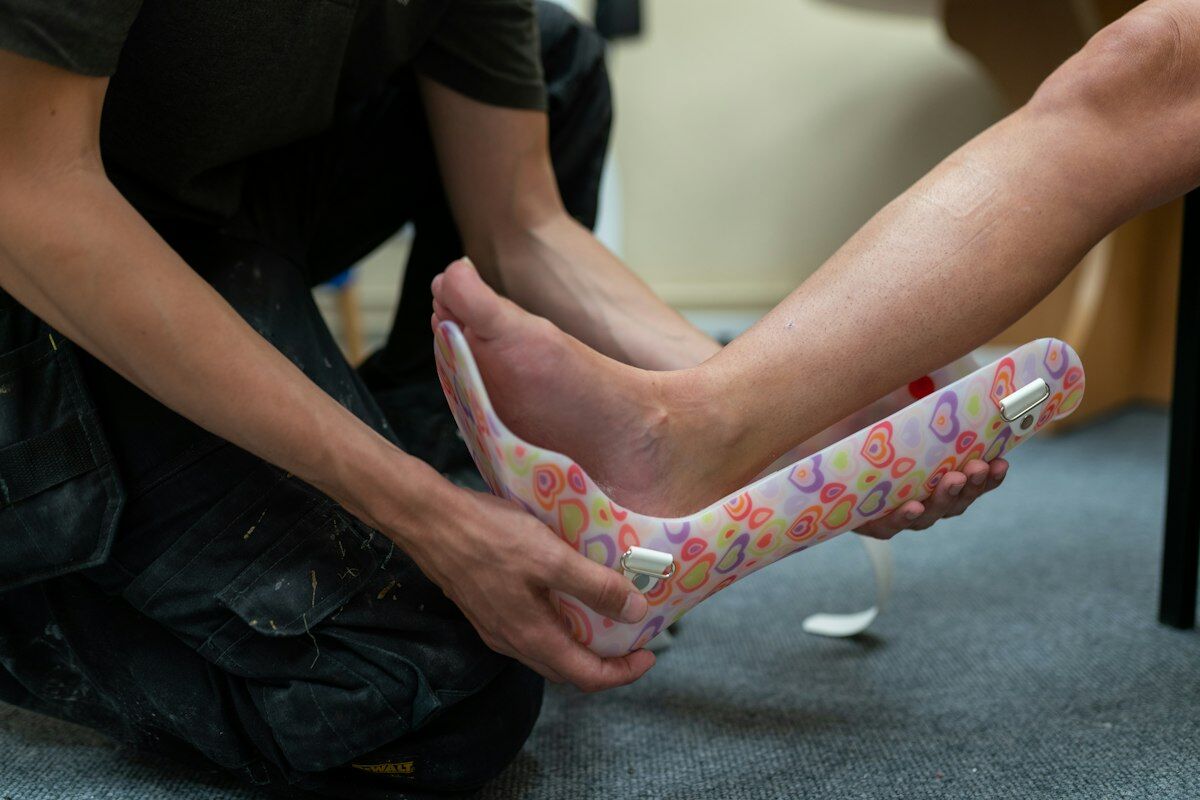
Most ankle sprains take 4 to 6 weeks to heal. Some people still feel discomfort up to 12 months after the injury. Your doctor may refer you to a physiotherapist, which can help you recover more quickly. Depending on how bad the sprain is, a brace may be needed for 4 to 6 weeks.
A physio program usually includes balance, strengthening and functional exercises. The aim is to strengthen the muscles around the joint, restore range of motion and improve balance and stability. It also works on proprioception, which is your sense of where your ankle is. Functional exercises are matched to your sport, such as jumping for a basketball player.
Surgery is usually not needed for an ankle sprain. A surgeon may be involved for a long term problem or a completely torn ligament. You may also see other treatments promoted for sprains. Healthdirect notes there is not enough research to say confidently that acupuncture is effective.
Treatments you might read about
Injured athletes sometimes come across less common treatments online. Our article asking whether Botox could help sports injuries looks at one of these. As with any procedure, from dental implant procedures to injections, it pays to ask about the evidence and the risks before you agree. Your GP or physio can talk you through what suits your injury.
Getting back to sport
There is no fixed timeline for returning to sport. You are generally ready when you can do your normal daily movements without pain. Worse sprains take longer, so try not to compare yourself with a teammate. Your physio can help you judge when your ankle is ready for training.
One possible complication is chronic ankle instability, where the joint feels weak or keeps giving way. It is common among athletes. Another is osteoarthritis that develops in the joint after the injury. Following your physio’s advice and building up gradually is the sensible approach.
Lowering the risk of another sprain
Healthdirect suggests warming up before sport with stretching, strengthening and balance exercises. Taping the ankle or wearing a brace can help, especially for athletes or after a recent sprain. Supportive shoes are also on the list.
Balance work is easy to fit into a home routine. Your physio can show you simple balance exercises to do at home. If you are thinking about buying home fitness equipment, a balance board is a small item worth asking your physio about. They can tell you which exercises suit your stage of recovery.
It also helps to keep a basic first aid kit at home with an ice pack and a compression bandage. Many households keep a cold pack in the freezer for minor knocks. A cold compress also appears in many lists of home remedies for toothache. Having the basics on hand means you can start RICE straight away.
Frequently asked questions
How long does a sprained ankle take to heal?
Most ankle sprains take 4 to 6 weeks to heal. More severe sprains take longer. Some people still notice discomfort for up to 12 months.
Should I use heat on a sprained ankle?
No. Health advice says to avoid heat during the first two days, along with alcohol, running and massage. Use ice for 10 minutes every one to two hours instead.
Can I walk on a sprained ankle?
Gentle walking is fine if you can manage it. If putting weight on the foot is uncomfortable, ask a doctor or physio about crutches. See a doctor if you cannot put any weight on it at all.
When should I see a doctor?
See a doctor if you cannot stand on the ankle, if it looks deformed or if it is getting worse. A doctor can check for a broken bone. They may also refer you to a physio for rehab.
This article is general information only and is not medical advice. Please speak with your doctor, physiotherapist or another qualified health professional about your injury.