

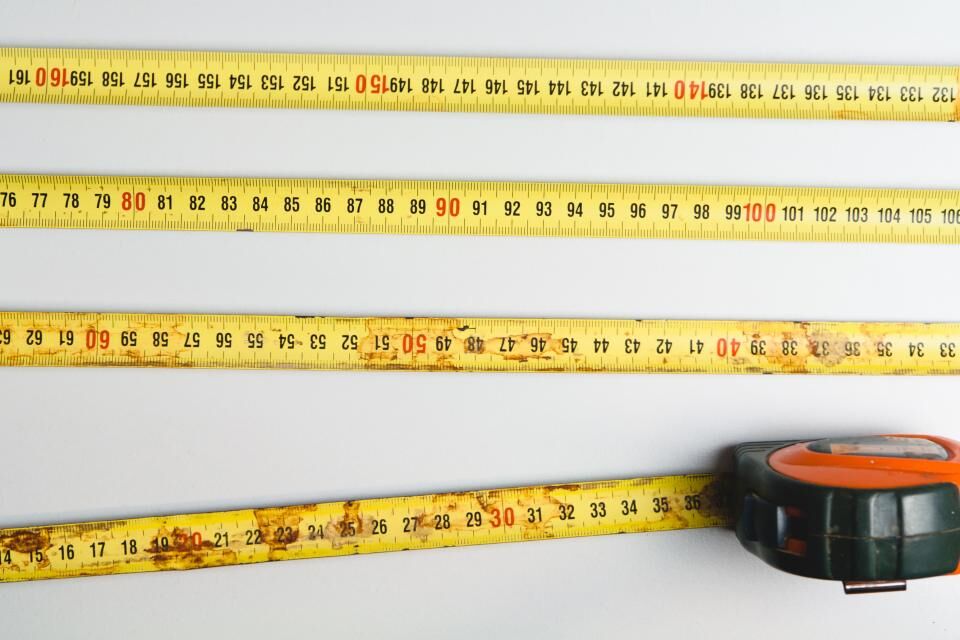
The scales tell you one thing about your body. A tape measure can tell you something different. Your waist measurement is a simple check on how much fat you carry around your middle. Health bodies in Australia use it to help gauge the risk of chronic disease.
It takes less than a minute to do at home. All you need is a soft tape measure and a few quiet minutes. Below we look at how to measure properly, what the numbers mean and what Australian health advice says about bringing them down.
Why fat around the middle matters
Most of the fat in your body sits just under the skin. This is called subcutaneous fat and it is the fat you can see and pinch. Visceral fat is different. It is stored deeper, around organs such as the heart, liver and intestines.
A small amount of internal fat protects your organs. Problems start when there is too much of it. According to healthdirect’s guide to visceral fat, excess internal fat produces more harmful substances than the fat under your skin. It can contribute to high blood pressure, heart disease, diabetes and some cancers.
Belly fat can also be a sign of insulin resistance and metabolic syndrome. Metabolic syndrome is a group of risk factors that includes obesity, high blood pressure, high cholesterol and high blood sugar. Together these raise the risk of stroke, heart disease and type 2 diabetes.
How to measure your waist at home
The Heart Foundation waist measurement guide gives a simple method. Find the top of your hip bone and the bottom of your ribs. Breathe out normally, then place the tape midway between these two points, in line with your belly button. Wrap it around loose enough to fit one finger inside the tape, then check the number.
A few habits make your readings easier to compare over time. Use the same tape each time and follow the same steps. Breathe out normally before each reading, as the Heart Foundation advises. Write the number down with the date so one reading lines up with the next.
What the numbers mean
Australian health bodies use two sets of cut off points for adults. For men, a waist over 94 cm is linked with an increased risk of chronic disease. For women, the figure is over 80 cm. ACT Health describes the risk as substantially increased from 102 cm for men and 88 cm for women.
These figures are a guide to risk rather than a diagnosis. Having a larger waist does not mean you have a disease. It means your risk of developing one is higher, which is a good reason to talk with your GP. Your doctor can look at the number alongside your other health checks and your family history.
When the tape measure is less accurate
Waist measurement does not suit everyone. The Heart Foundation notes it is less accurate during pregnancy and when the abdomen is swollen because of a medical condition. It is also less accurate for Aboriginal and Torres Strait Islander peoples and for South Asian, Chinese and Japanese adults. The measure is meant for adults only, so it should not be used to check children.
Waist size and body mass index
Body mass index, or BMI, compares your weight with your height. Healthdirect explains that BMI can show whether your weight is in a healthy range for your height. What it cannot show is where that weight sits on your body. Two people with the same BMI can carry their fat in very different places, so a waist check adds useful information.
Who is more likely to carry visceral fat
Excess visceral fat is more common in men than in women. Healthdirect lists older men, women after menopause and people with a genetic tendency as being at higher risk. People born with a low birth weight and people who drink too much alcohol are also on the list. The main causes are eating more energy than you use and not being active enough.
Habits that help reduce waist size
The best way to reduce internal fat is by losing weight, and regular exercise is especially effective. Exercise also helps stop visceral fat from coming back. Health advice suggests aiming for at least 30 minutes of physical activity on most days. Queensland Health says some activity is better than none, although you will probably need more to lose weight or keep it off.
Activity does not have to be hard to count. Queensland Health points out that small changes to your daily routine can help. Here are some everyday ideas drawn from Queensland Health and healthdirect advice.
- Take the stairs instead of the lift.
- Get off the bus one stop early or park further away.
- Walk or cycle for short trips when it is practical.
- Cut back on sugary drinks and alcohol.
- Get enough sleep and do not smoke.
Food matters just as much as movement. The Australian Dietary Guidelines, as summarised by Queensland Health, encourage eating a wide range of foods from the five food groups each day and drinking plenty of water. They also suggest limiting foods high in saturated fat, added salt, added sugars and alcohol. Some products sold as healthy choices are not what they seem, so it helps to read up on food you thought was healthy but isn’t.
Simple swaps can make everyday meals more nourishing without much fuss. Legumes such as red kidney beans are easy to add to soups, salads and curries. They can also stand in for some of the meat in a mince dish. Small, steady changes are easier to keep up than a strict plan you drop after a fortnight.
Before you start a new exercise routine
Many people reach for sit ups and crunches when they want a smaller waist. The health advice above focuses on overall weight loss through food and regular activity rather than exercises for one body part. Queensland Health advises talking to a doctor before becoming more active if you have been inactive for a while or if you or a close relative has heart disease. The same applies if you have a chronic condition that needs regular medication.
Keeping track over time
Your waist measurement is most useful as a trend. Writing down a reading every few weeks lets you see whether your habits are making a difference. A waist reading can also show you a different picture from the scales. How you feel affects your routine too. If low mood or worry is getting in the way, read about the signs of deteriorating mental health and talk to someone you trust.
Regular health checks are a good habit for your whole body. Regular dental checks can pick up problems early. A regular visit to your GP does the same job for your waist and other risk factors. Bring your recent readings along so your doctor has more to go on.
Frequently asked questions
What is a healthy waist size for men?
Australian health bodies link a waist over 94 cm with an increased risk of chronic disease in men. From 102 cm, the risk is described as greatly increased. These cut off points are for adults and are less accurate for some population groups.
What is a healthy waist size for women?
For women, the risk increases with a waist over 80 cm. From 88 cm, it is described as substantially increased. The measure is not used during pregnancy.
Where exactly should I put the tape measure?
Place it midway between the top of your hip bone and the bottom of your ribs, in line with your belly button. Breathe out normally before you read the number. Keep the tape loose enough to fit one finger inside it.
Can I lose belly fat without losing weight?
Healthdirect says the best way to reduce internal fat is to lose weight. Regular exercise is especially effective and helps stop it from returning. Your GP can help you work out a realistic plan.
This article is general information only and is not medical advice. Please speak with your doctor or a qualified health professional about your own health and before making changes to your diet or exercise.